Waco rodent control
Rodent Inspection and Assessment in Waco, TX
Before anyone sets a trap, a local rodent technician finds out what you have, where it nests and every gap it uses to get inside.
Tap to call(254) 263-4080- Rats and mice
- Local Waco-area providers
- Same-day often available
Why the inspection comes first
Every rodent job in Waco goes better when it starts with a real look at the house. Traps set without an inspection catch a few animals and miss the reason they showed up. The inspection answers three questions: which rodent is it, where is it living, and how is it getting in.
The answer changes the whole plan. Roof rats in a Castle Heights attic need trap placement up high and sealing at the roofline. Norway rats digging along a slab in Bellmead need work at ground level. House mice in a Sanger Heights kitchen often come up through gaps around plumbing under a pier-and-beam floor. Same city, three different jobs.
What a thorough inspection includes
A good inspection covers the whole house, inside and out. Here’s what the technician should check:
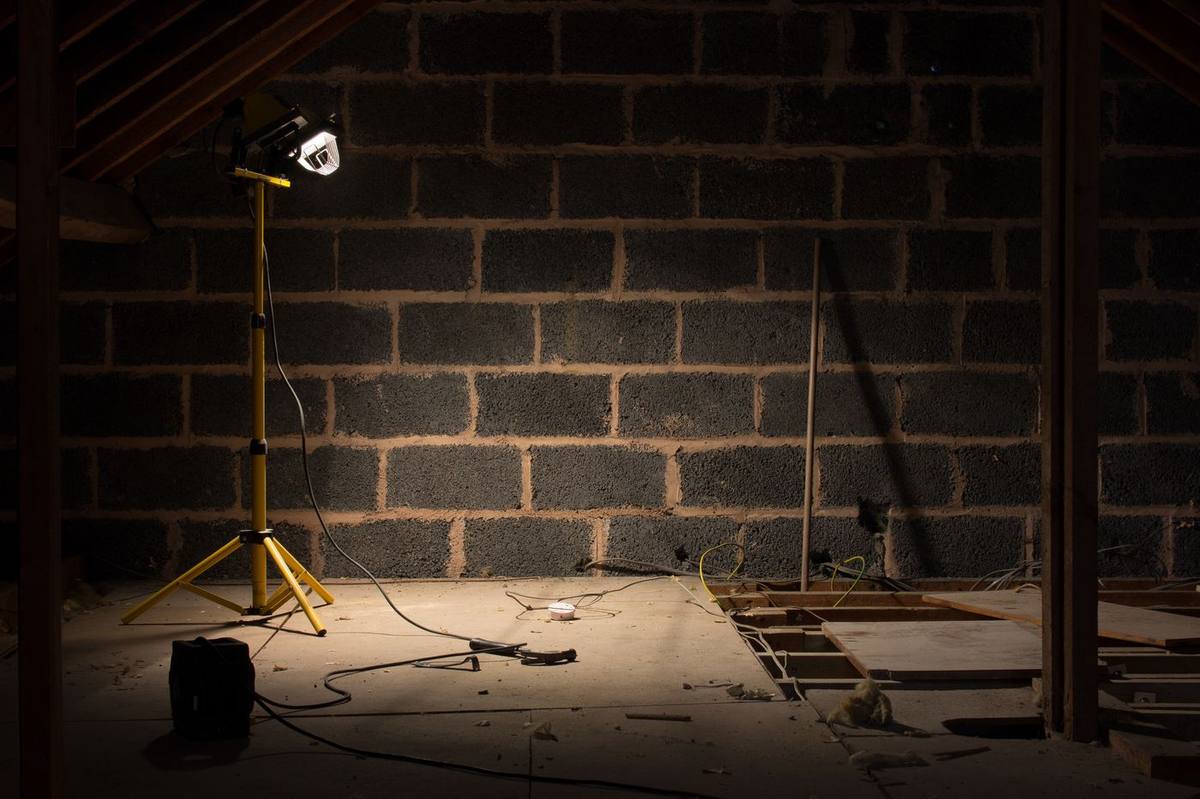
- The attic: droppings on the insulation, runways pressed into it, nests near the eaves and gnawed wiring
- Kitchen and bathrooms: under sinks, behind the stove and refrigerator, the back of the pantry
- The garage: door corners, the bottom seal, stored birdseed, pet food and boxes
- The crawl space on pier-and-beam homes: skirting, vents, plumbing and duct openings
- The slab edge on newer homes: weep holes, gaps where pipes and the A/C line enter, burrows in flower beds
- The roofline: soffit returns, gable vents, roof vents, and limbs or vines that touch the roof
The technician should also note conditions outside that feed the problem. Brush piles, a woodpile against the fence, birdseed on the ground and an overfilled trash cart all give rodents food or cover.
Step by step: what happens on the visit
- You describe what you’ve seen and heard, and where. The technician asks how long it’s gone on.
- The technician walks the inside of the house, starting where the activity is worst.
- The attic gets checked with a light, looking at the insulation surface and along the eaves.
- The technician walks the outside from the ground to the roofline, often with a ladder, and marks every gap.
- You get an explanation of what was found, a plan and a written price.
Expect the technician to name the species, show you the main entry points and explain which ones need metal or hardware cloth and which can take sealant. If bait is part of the plan, ask where each station goes.
Why inspections are harder in Waco
Waco has a wide spread of housing ages. Neighborhoods like Sanger Heights, Brook Oaks and East Waco have a median build year between the mid 1920s and early 1940s, according to Homes.com neighborhood data. Many of those houses sit on piers with a crawl space underneath, decades of add-ons and settling, and gaps where porches meet the original walls. Newer brick homes on slabs in North Lake Waco, Hewitt and Woodway have fewer gaps, but weep holes, utility holes and garage corners still let mice in.
Trees matter too. The older parts of town have big oaks and pecans, and roof rats use limbs and power lines to reach the roof. A technician who only checks the ground misses the route.
The Brazos and Bosque rivers and the creeks that feed them give Norway rats burrowing ground close to homes. Cameron Park alone covers 416 acres along both rivers. When rats live along a creek or a drainage channel behind your yard, the inspection should include the fence line and any sheds.
What to do before the visit
Don’t clean up the droppings with a broom or vacuum before the technician sees them. They help identify the species and show where activity is heaviest. If you need to clean a kitchen counter, spray it with disinfectant first and wipe with paper towels, the way the droppings cleanup page describes.
Write down where and when you hear noises. Scratching above a bedroom ceiling at 2 a.m. and gnawing inside a kitchen wall in the evening are two different clues.
After the inspection
Most homes move straight to trapping and removal and exclusion work. If the attic took heavy damage, attic cleanup comes last, after the rodents are gone. Before you hire anyone, check that the business holds a Texas Department of Agriculture structural pest control license. The license guide shows how.
Need help with rodent inspection in Waco? Talk to a local rodent technician.
(254) 263-4080How it works
How a call turns into a finished job
Call and describe it
Say what you've found and where. Your call goes to an independent local rodent technician who serves your part of the Waco area.
Inspection
The technician checks the attic, walls, garage, crawl space or slab edge and the roofline, then names the rodent and the entry points.
Trapping and sealing
Traps go on the active runs. Gaps get closed with metal, hardware cloth and sealant so new rodents can't follow the same path.
Follow-up and cleanup
Return visits clear the traps until activity stops. Droppings and soiled insulation get cleaned up if the job calls for it.
Rodent Inspection
Rodent Inspection and Assessment: common questions
How long does a rodent inspection take?
On a typical Waco house, plan on about an hour. A two-story home, a big attic, a pier-and-beam crawl space or a lot of stored stuff in the garage adds time.
Is the inspection free?
Some providers charge for it and some fold it into the job. National cost guides list inspections around $100 to $200 when billed separately. Ask when you call, and ask whether the fee comes off the bill if you hire them. The cost guide has more.
Do I need to be home?
Yes, for the first visit. The technician needs the attic hatch, the garage, the space under sinks and any crawl space access. You also know where you heard the noise, and that saves time.
Can an inspection tell rats from mice?
Usually. Dropping size, gnaw marks, rub marks and where the activity sits (high in the attic or low along the slab) point to roof rats, Norway rats or house mice. Read rat droppings vs mouse droppings to check yourself first.
What should I get at the end of the inspection?
A plain answer on which rodent you have, a list of entry points with locations, a plan for trapping and sealing, and a written price. Photos of the gaps are a good sign.
Should the technician check outside too?
Always. Most entry points on Waco homes are on the outside: soffit gaps, gable vents, weep holes, A/C line holes and pier-and-beam skirting. An inspection that stays indoors misses most of them.
Have a rat or mouse problem right now?
Call and describe what you're seeing. Your call goes to an independent local rodent technician, and same-day appointments are often available.