Waco rodent control
Rodent Exclusion and Prevention in Waco, TX
Sealing the gaps rats and mice use, with materials they can't chew through, so the next ones can't move into the space the last ones left.
Tap to call(254) 263-4080- Rats and mice
- Local Waco-area providers
- Same-day often available
What exclusion means
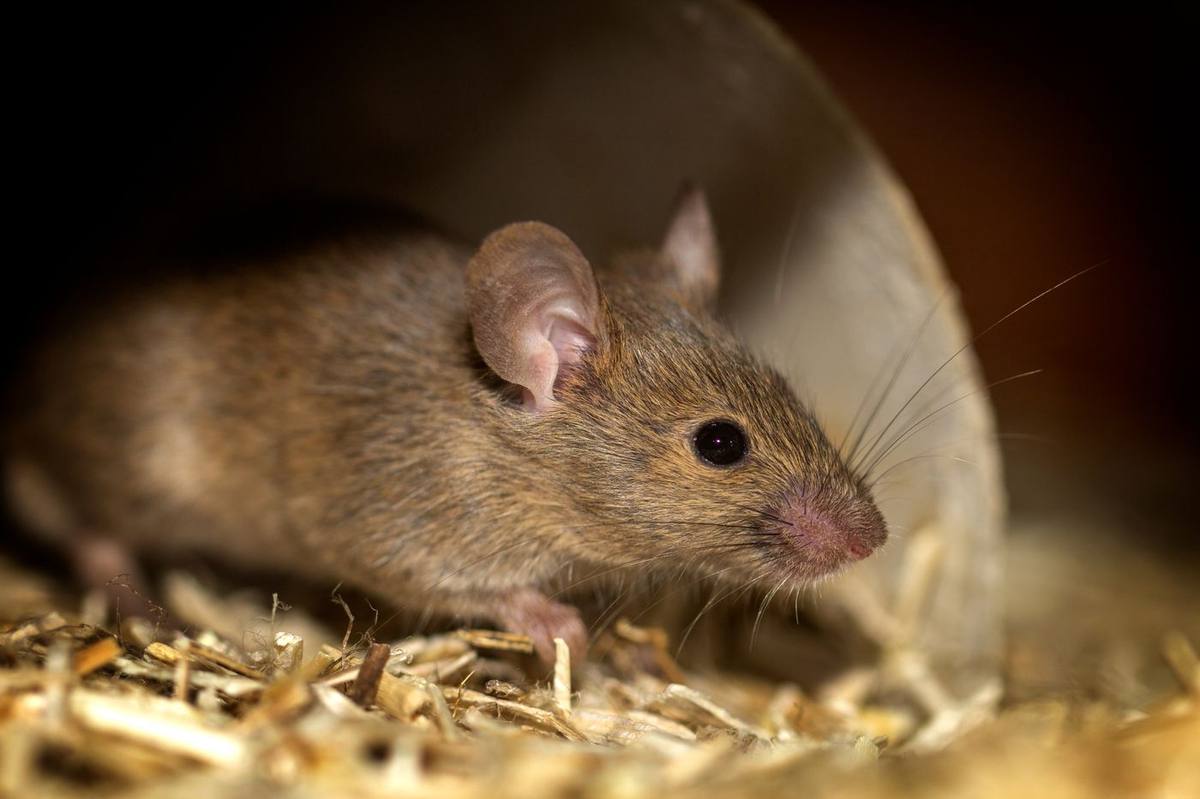
Exclusion is the work of closing every gap a rodent can use to get inside. It’s the part of rodent control that keeps a house clear after trapping ends. Pull out the mice in a kitchen and leave the gap behind the stove, and new mice follow the scent trail in a few weeks.
The CDC says mice can fit through a hole the width of a pencil, about a quarter inch. Its sealing guidance calls for steel wool held in place with caulk for small holes, and lath screen or metal, cement, hardware cloth or metal sheeting for larger ones. The hole size article covers what that means for your house.
What a thorough exclusion job includes
- Every gap found during the inspection, listed by location
- The roofline: soffit returns, the joint where a lower roof meets a wall, gable vents and roof vents
- The slab or foundation: weep holes, gaps around plumbing, gas lines and the A/C line set
- Pier-and-beam skirting and foundation vents on older homes
- Garage door corners and the bottom seal
- Doors to the outside, with sweeps where daylight shows underneath
- Interior gaps behind appliances and under sinks where pipes come through the wall
- Materials matched to each gap: metal where rodents chew, mesh plus sealant for small holes, rated vent covers that still let air move
Step by step
- The technician lists entry points and marks which show active rub marks or droppings.
- Low gaps and interior gaps get sealed first, often on the first or second visit.
- Roofline work follows with ladders, using metal flashing or hardware cloth.
- Active runs get a one-way approach in some cases: the technician leaves one gap open with a trap on it until activity stops, then seals it.
- The technician walks the house at the end and checks every sealed spot.
- You get a list of what was sealed and with what.
Why exclusion is harder in Waco
Waco’s older neighborhoods sit on piers. Homes in Sanger Heights, Brook Oaks and East Waco date mostly from the 1920s to the 1940s, according to Homes.com neighborhood data, and many have skirting that has rotted, pulled loose or been patched with whatever was handy. Every plumbing line, duct and wire that runs up through the floor is a possible path from the crawl space into the house.
Newer slab homes in Hewitt, Woodway and North Lake Waco have their own weak points. Brick veneer has weep holes along the bottom course. The A/C line set enters through a hole that’s often larger than the lines. Garage doors on these homes seal poorly at the corners, and garages hold birdseed, dog food and boxes.
Trees add a route most people never see. Older parts of Waco have mature oaks and pecans, and roof rats run limbs and utility lines to reach the roof. Trimming branches back from the roof is part of exclusion, even though nobody calls it sealing.
Heat and sun also wear down cheap materials. Foam sealant breaks down in direct sun, and Waco gets long runs of triple-digit days. The National Weather Service counted 90 days of 100 degrees or more at Waco in 2011. Metal and mesh hold up.
What you can do around the house
Keep the yard from feeding the problem. Waco’s solid waste rules say all waste must fit in the gray cart with the lid completely closed, and bags outside the cart won’t be picked up. A cart with the lid propped open is a nightly buffet for rats. Brush piles go to the curb no bigger than 4 feet by 4 feet by 4 feet. The trash and yard rules guide covers the details.
Store birdseed, pet food and grass seed in metal cans with lids. Move woodpiles off the ground and away from the house. Trim shrubs back from the walls so you can see the slab edge.
The room-by-room sealing checklist walks through each part of the house if you want to check your own gaps before the technician arrives.
Need help with exclusion and sealing in Waco? Talk to a local rodent technician.
(254) 263-4080How it works
How a call turns into a finished job
Call and describe it
Say what you've found and where. Your call goes to an independent local rodent technician who serves your part of the Waco area.
Inspection
The technician checks the attic, walls, garage, crawl space or slab edge and the roofline, then names the rodent and the entry points.
Trapping and sealing
Traps go on the active runs. Gaps get closed with metal, hardware cloth and sealant so new rodents can't follow the same path.
Follow-up and cleanup
Return visits clear the traps until activity stops. Droppings and soiled insulation get cleaned up if the job calls for it.
Exclusion and Sealing
Rodent Exclusion and Prevention: common questions
What materials should be used to seal rodent gaps?
Metal and hardware cloth for anything rodents can reach and chew: galvanized hardware cloth over vents, sheet metal flashing at gaps along the roofline, and copper or stainless mesh packed into small holes and then covered with sealant. Foam or caulk alone gets chewed out.
Should weep holes in brick be sealed shut?
No. Weep holes let moisture drain out of brick walls. They should get rodent-proof weep vents or mesh inserts that keep mice out and still let water drain.
How much does rodent exclusion cost?
HomeAdvisor and Angi list $200 to $600 for sealing entry points, and Fixr lists $175 to $500 for professional exclusion, with more for houses with many gaps. Two-story roofs and pier-and-beam skirting add labor.
Can I seal my house myself?
You can handle the low, simple gaps: a worn garage door seal, mesh around an A/C line, a door sweep. Leave roofline and second-story work to someone with the right ladder and fall protection.
When should sealing happen during a rodent job?
Usually during or right after trapping, once the technician knows which gaps are active. Sealing every gap before any trapping can trap rodents inside walls. Ask the technician how they plan the timing.
Does exclusion keep rodents out for good?
It keeps them out of the gaps that were sealed. New gaps can open as houses settle, roofs get replaced or a contractor cuts a new hole for a cable. A yearly look at the roofline and slab edge catches those early.
Have a rat or mouse problem right now?
Call and describe what you're seeing. Your call goes to an independent local rodent technician, and same-day appointments are often available.