Waco rodent control
Dead Rodent Removal in Waco, TX
That sweet, rotten smell in one room usually means a rat or mouse died in a wall, the attic or under the floor. Here's how it gets found and removed.
Tap to call(254) 263-4080- Rats and mice
- Local Waco-area providers
- Same-day often available
Finding the source of the smell
A dead rat or mouse in a hidden spot announces itself with a smell most people describe as sweet and rotten. It’s usually strongest in one room or along one wall. Flies gathering at a window or a light fixture in that room are another clue.
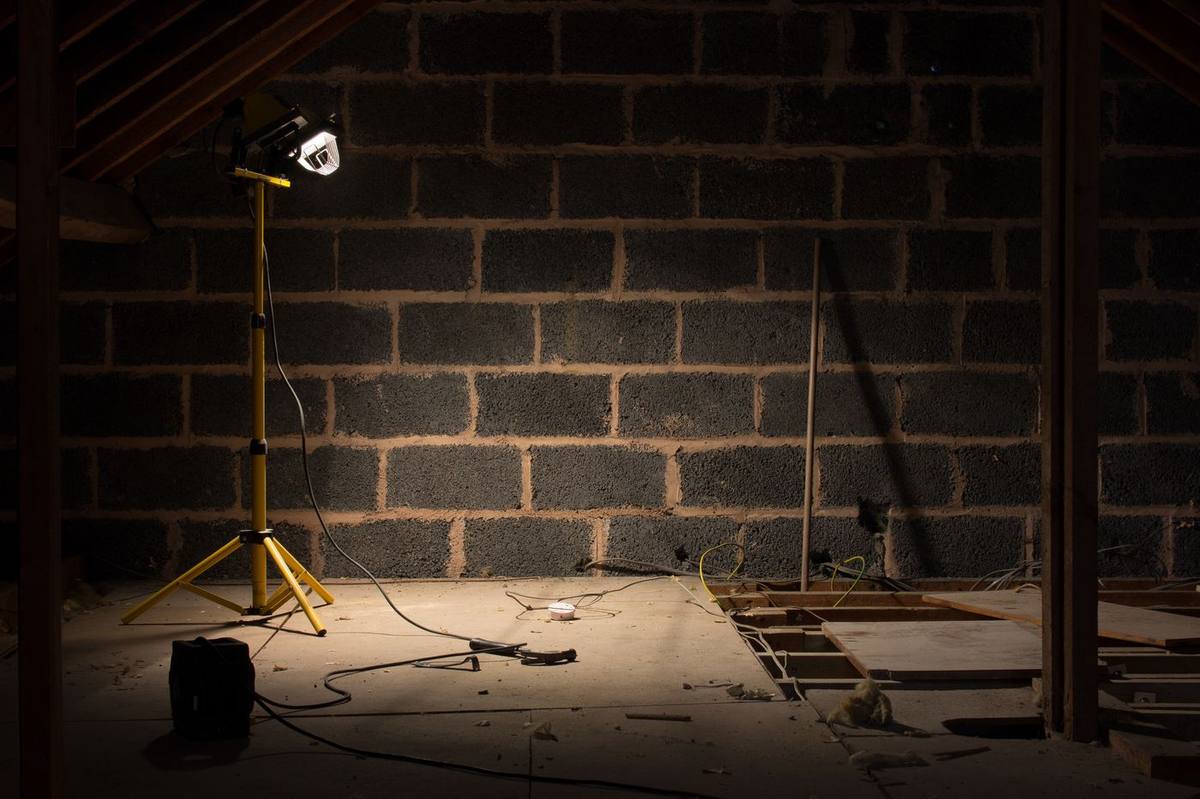
In Waco, the usual places are the attic (often under the insulation near the eaves), the crawl space under a pier-and-beam house, inside a wall cavity next to plumbing, behind the refrigerator or dishwasher, and inside the HVAC return or duct.
What a thorough removal includes
- Narrowing the location by smell, flies and any staining
- Checking the attic and crawl space first, since most can be reached without cutting anything
- A small, clean access cut in drywall only when the animal is inside a closed wall
- Removal of the carcass and any nesting material around it
- Disinfecting the spot and treating it for odor
- A look at how the rodent got in, because a dead rodent means a live problem
Step by step
- The technician walks the room and nearby rooms to find where the smell is strongest.
- The attic and crawl space get checked with a light.
- If the rodent is in a wall, the technician picks the lowest-impact spot to open.
- The carcass and nest material come out, sprayed with disinfectant and double-bagged.
- The area gets disinfected and treated with an odor product.
- The technician points out the entry and recommends sealing and trapping if activity continues.
Why it’s harder in Waco
Heat speeds up decay. In July and August, when Waco regularly hits 100 degrees, a dead rat in an attic produces a strong smell within days, and flies follow. The same heat makes attic searches slow and uncomfortable, so good providers schedule them early in the day.
Older homes have more hiding spots. A 1920s or 1930s house in Brook Oaks or Sanger Heights may have open balloon-frame wall cavities that run from the crawl space to the attic, so a rodent can die far from where it entered. Plaster walls are harder to open and patch than drywall, which makes the search more important.
Crawl spaces under pier-and-beam homes are tight and often damp after rain. A rat that dies under the floor can be hard to reach without crawling the full length of the house.
Questions to ask before a removal visit
- Will you check the attic and crawl space before cutting any wall?
- If an access cut is needed, how big, and who patches it?
- Will you treat the spot for odor, and with what?
- Will you look for the entry point while you’re there?
If you find it yourself
Follow the CDC steps: open doors and windows to air the space, wear rubber or plastic gloves, spray the rodent and the area around it with disinfectant or a mix of 1 part bleach to 9 parts water, wait 5 minutes, then pick it up with the bag turned inside out over your hand. Seal it, put it in a second bag, seal that and put it in your gray cart. Disinfect the spot and wash your gloved hands before taking the gloves off.
The dead rodent smell article covers how to tell a dead rodent from other odors and what you can try before you call. If droppings are spread around the area, see droppings cleanup and sanitizing.
Need help with dead rodent removal in Waco? Talk to a local rodent technician.
(254) 263-4080How it works
How a call turns into a finished job
Call and describe it
Say what you've found and where. Your call goes to an independent local rodent technician who serves your part of the Waco area.
Inspection
The technician checks the attic, walls, garage, crawl space or slab edge and the roofline, then names the rodent and the entry points.
Trapping and sealing
Traps go on the active runs. Gaps get closed with metal, hardware cloth and sealant so new rodents can't follow the same path.
Follow-up and cleanup
Return visits clear the traps until activity stops. Droppings and soiled insulation get cleaned up if the job calls for it.
Dead Rodent Removal
Dead Rodent Removal: common questions
How long does a dead rat smell last?
It varies with the size of the animal and the temperature. In Waco's summer heat, decay is fast and the smell is strong. It can take a few weeks for a rat in a wall to dry out. Removing it ends the smell much sooner.
Can the technician find a dead rodent without cutting the wall?
Often. Flies, the strongest spot of the smell and stains on the ceiling or wall narrow it down. Many are found in the attic, under the insulation or in the crawl space. Sometimes a small cut in drywall is the only way in, and that's easy to patch.
Is it safe to remove a dead mouse myself?
If you can reach it, yes, with care. The CDC says to wear gloves, spray the rodent and surrounding area with disinfectant, wait 5 minutes, then double-bag it and put it in a covered trash can.
Why is there a dead rodent in my wall?
Often poison. A rodent that eats bait doesn't die right away and may crawl into a wall or the attic. Rodents also die of other causes in places they nest. Either way, it means rodents are getting in.
How much does dead rodent removal cost?
Fixr lists dead rat removal at $150 to $250. Access affects the price: an attic is easier than a closed wall cavity.
Can the City of Waco pick up a dead animal?
The City's solid waste page lists animal disposal fees by weight, starting at $45 for animals 35 pounds or less. For a rodent, double-bag it and put it in your gray cart with the lid closed.
Have a rat or mouse problem right now?
Call and describe what you're seeing. Your call goes to an independent local rodent technician, and same-day appointments are often available.