Rat and mouse articles
Rat and Mouse Articles for Waco Homeowners
Plain answers about rats and mice in Central Texas homes. Dealing with it right now? Just call.
Tap to call(254) 263-4080- Rats and mice
- Local Waco-area providers
- Same-day often available

November 4, 2026
Dead rodent smell in a wall or attic: what to do
Find the strongest spot, check the attic and crawl space first, and look for flies or stains. If you can reach the carcass, follow the CDC steps: gloves, spray with disinfectant, wait 5 minutes and double-bag it. If it's inside a closed wall, a technician can find it with a small access cut.
Read the article ›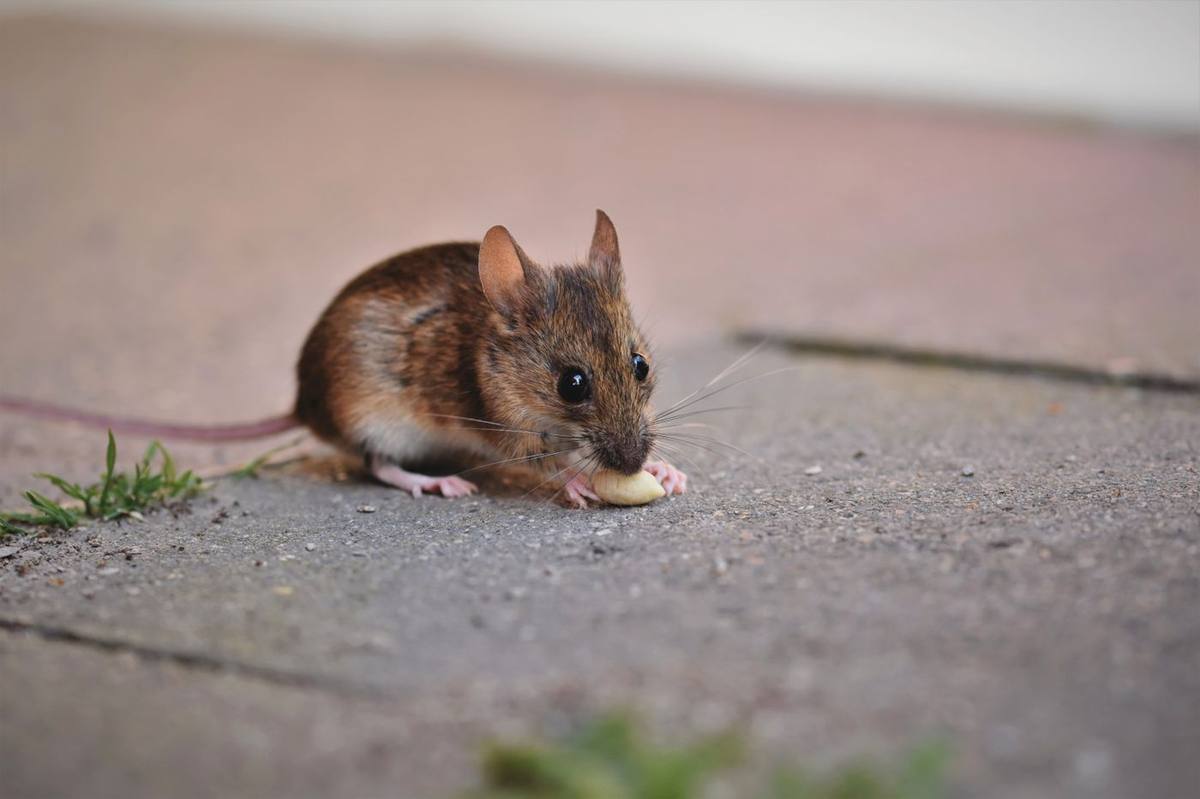
November 4, 2026
Do rodent repellents work?
The Internet Center for Wildlife Damage Management cites several references showing ultrasonic devices aren't effective for controlling rodents. Scents and sprays may bother a rodent for a while, but none of them close the gaps or remove the food that keeps rodents coming back.
Read the article ›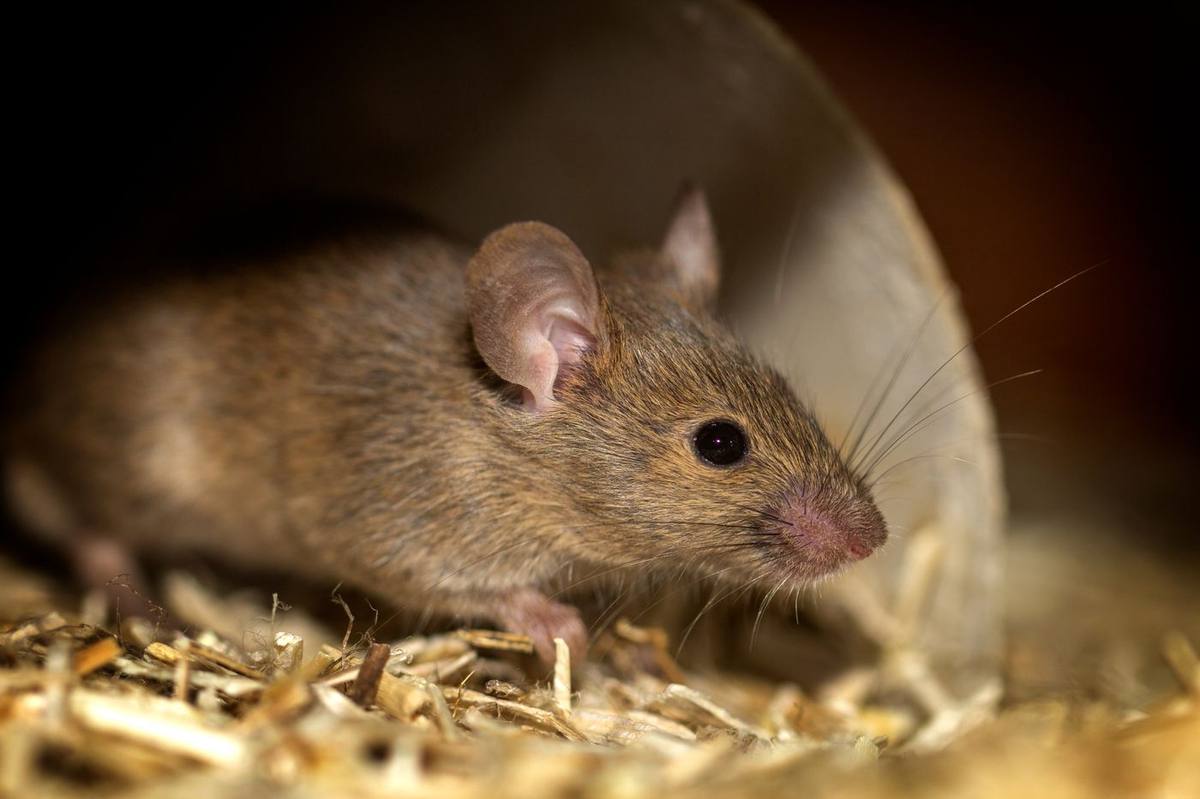
November 4, 2026
How small a hole can a mouse fit through?
The CDC says mice can fit through a hole the width of a pencil, about a quarter inch. The Internet Center for Wildlife Damage Management says rats can get through openings larger than half an inch. Seal gaps that size or bigger with metal, hardware cloth or mesh plus sealant.
Read the article ›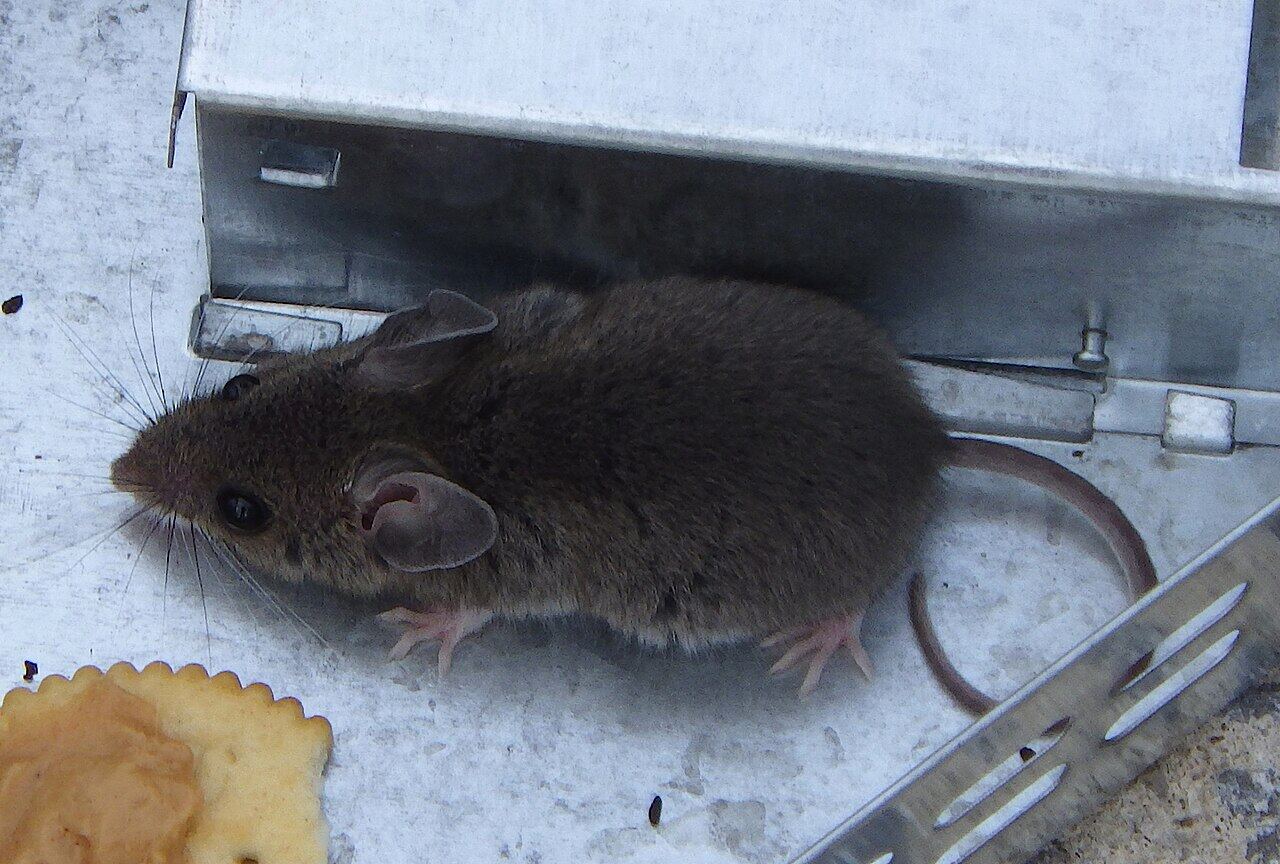
November 4, 2026
Rat droppings vs mouse droppings: how to tell them apart
Mouse droppings are about an eighth to a quarter inch long and pointed at both ends. Rat droppings are half an inch or longer. Cornell's IPM program puts roof rat droppings at about half an inch and Norway rat droppings at three quarters of an inch to an inch.
Read the article ›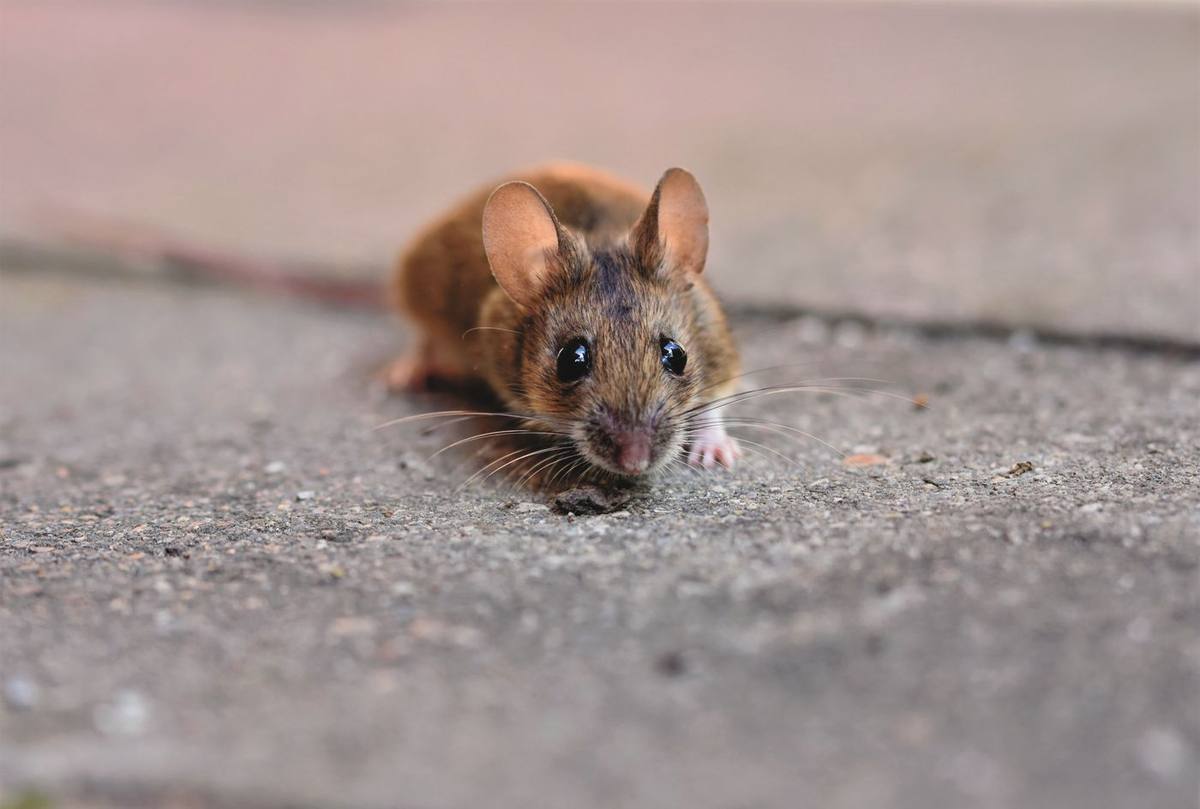
November 4, 2026
Rats and mice in car engines: signs and prevention
Rodents nest in engine bays, air filter boxes and cabin air intakes, especially in cars that sit for days. Look for nests, droppings and chewed wires under the hood. Prevention starts with the garage: seal it, remove food and use the car regularly.
Read the article › November 4, 2026
Rats in the attic in Waco: signs and what to do
Rats in a Waco attic are almost always roof rats, which climb trees, fences and power lines to reach the roof and slip in through soffit gaps and vents. The fix is trapping in the attic, sealing the roofline and cutting back limbs, followed by cleanup if the insulation is soiled.
Read the article ›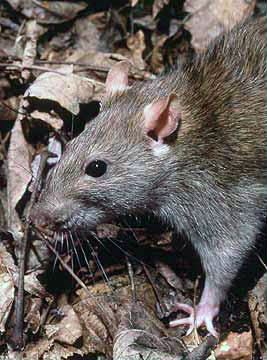
November 4, 2026
Rodent diseases in Texas: what rats and mice can spread
Hantavirus spreads mainly by breathing particles from rodent urine and droppings. Leptospirosis spreads through water or soil contaminated with infected animals' urine. Rat-bite fever follows bites, scratches or contaminated food. Murine typhus in Texas is tied to rats and their fleas. Sealing, trapping and wet cleanup lower the risk.
Read the article ›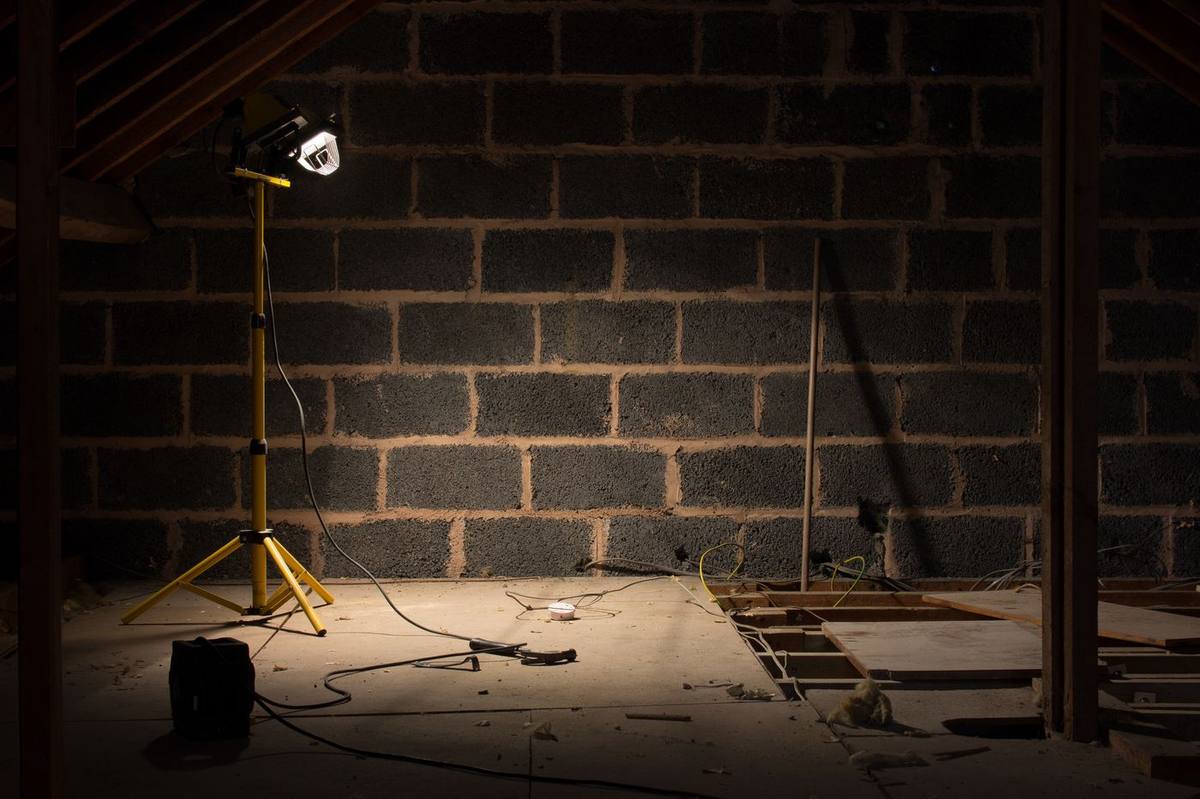
November 4, 2026
Rodent noises at night: what you're hearing and where
Light, quick pattering and scratching inside a wall usually means mice. Heavier scurrying and gnawing overhead in the attic usually means roof rats. Noise in the early morning or daytime points to squirrels. Where and when you hear it tells a technician where to look.
Read the article ›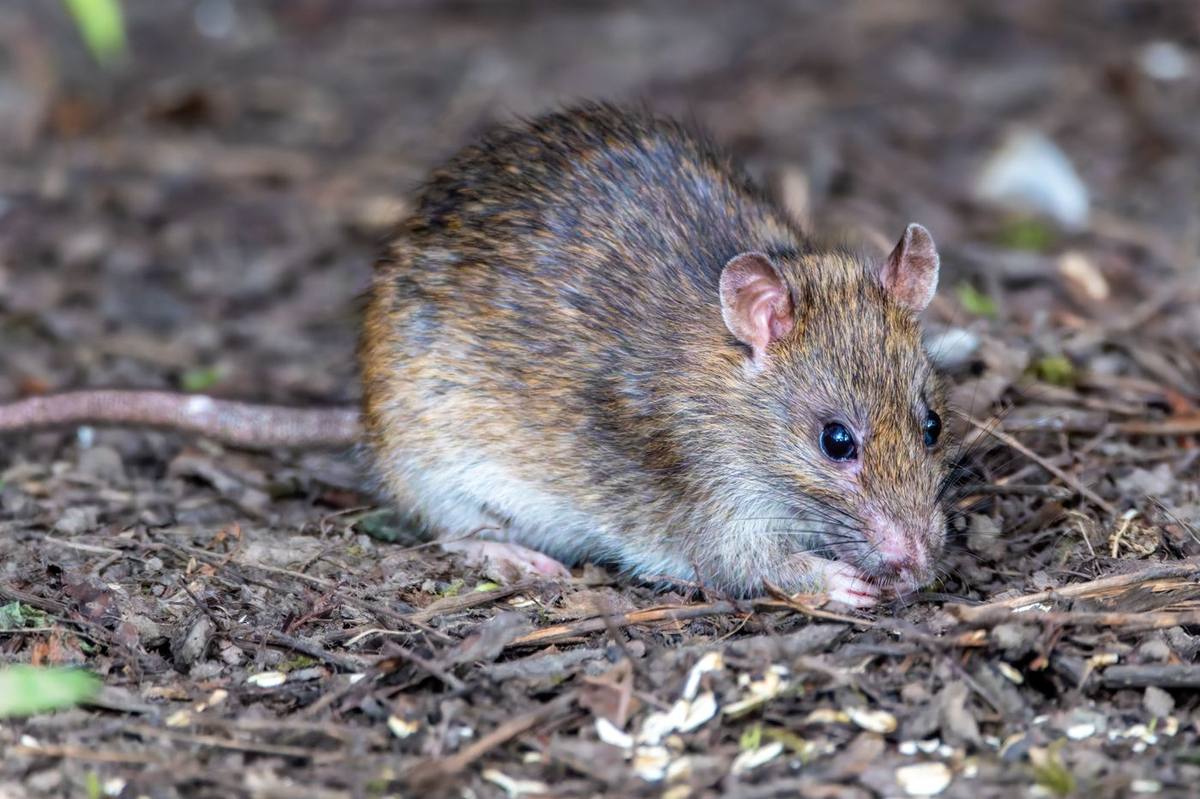
November 4, 2026
Roof rats vs Norway rats in Waco
Roof rats are slimmer, with a tail usually longer than the head and body, and they nest high in attics and trees. Norway rats are stockier with a blunt nose and a shorter tail, and they burrow near foundations. Texas Tech's Mammals of Texas calls roof rats common over most of Texas, especially in towns.
Read the article ›
November 4, 2026
Seasonal rodent problems in Waco
Roof rats breed all year, with peaks in late winter and late spring. Summer heat pushes rodents toward shade, water and crawl spaces. Heavy rain floods burrows near the Brazos and creeks. Fall harvest and the first cold fronts send field mice into garages and homes.
Read the article ›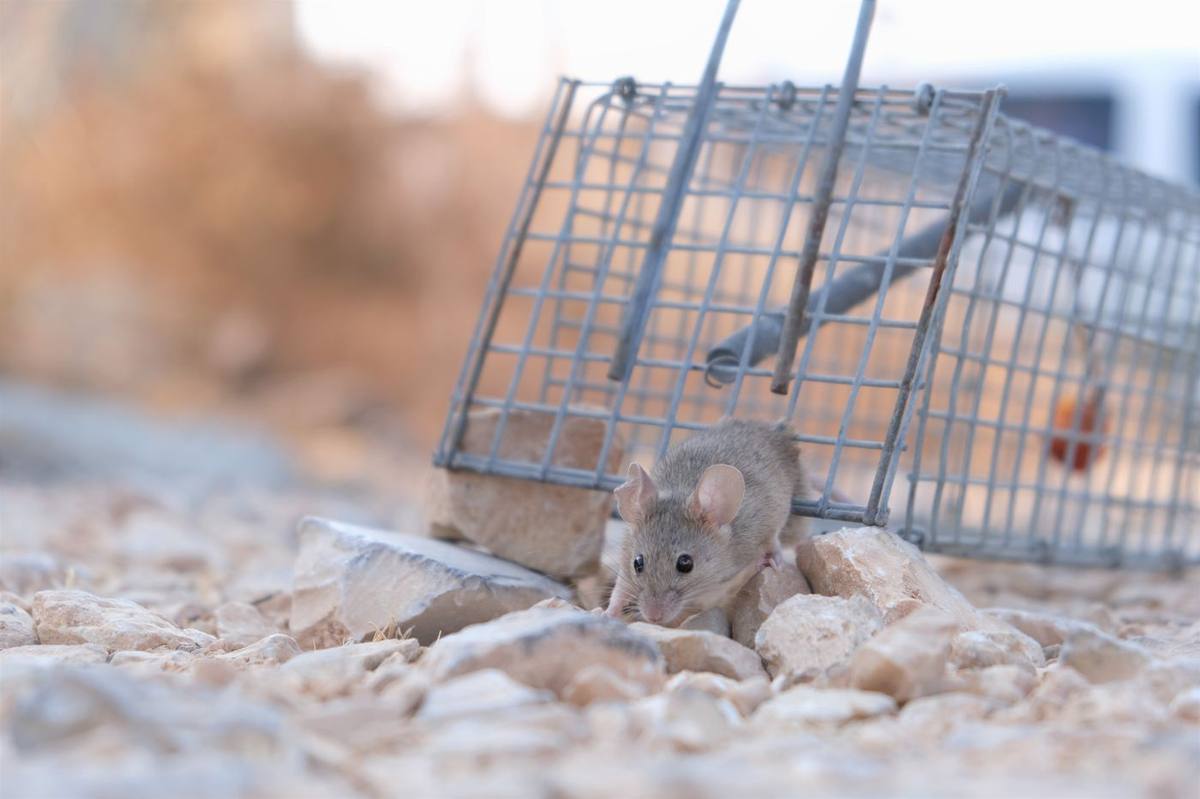
November 4, 2026
The best rat and mouse traps and how to set them
The CDC recommends traditional snap traps for reducing rodents around the home and advises against glue traps and live traps. Bait with a small amount of chunky peanut butter, set traps against the wall so they form a T, use plenty of them and check them daily.
Read the article ›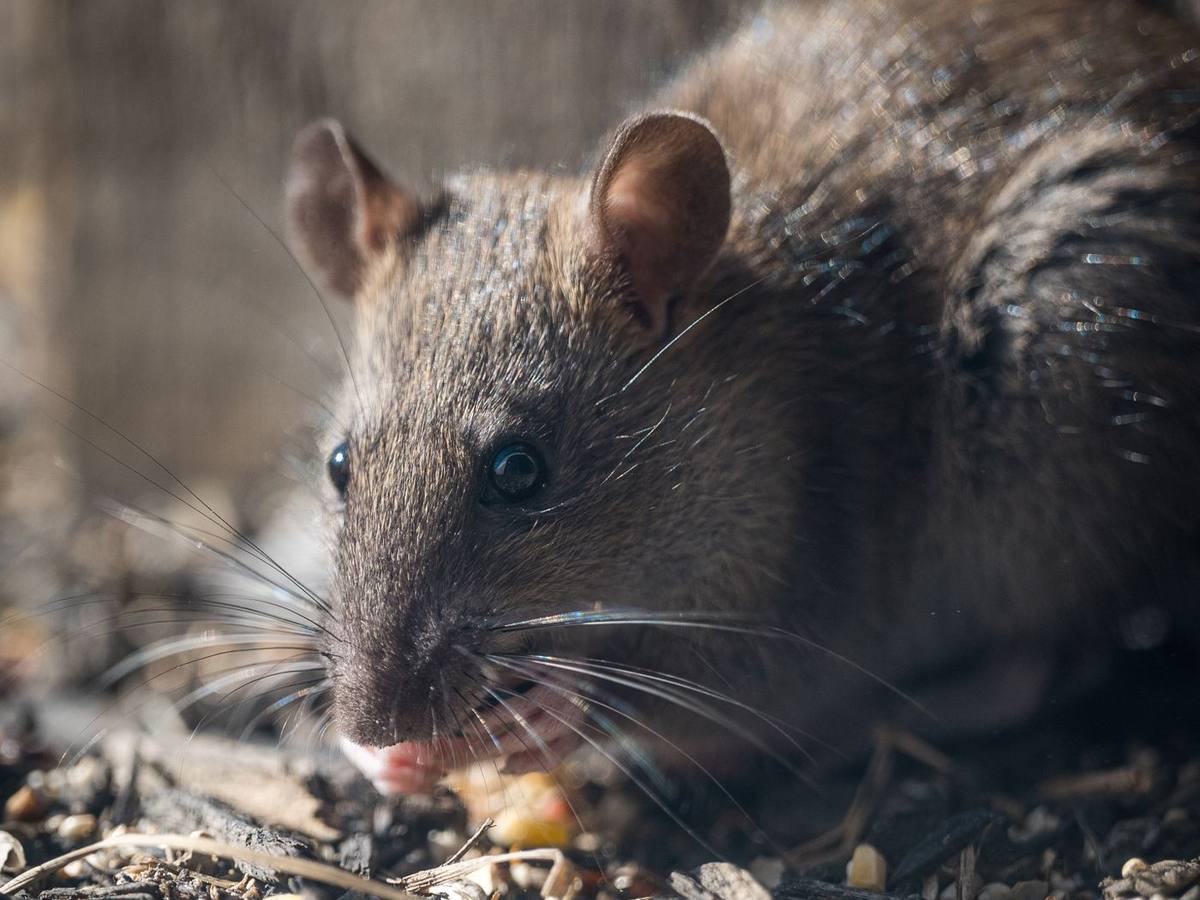
November 4, 2026
Why rats come back after an exterminator
Rats come back when the entry points stay open, when the plan was bait only, when food stays available in the yard or when neighbors still have rodents. Roof rats can breed year-round, so a few survivors rebuild fast. A lasting fix pairs trapping with sealing and follow-up.
Read the article › July 21, 2025
How to seal your home against rodents: a room-by-room checklist
Start where the plumbing is: under the kitchen and bathroom sinks, behind the washer and water heater. Then the garage door, the attic vents and the outside of the house. Use steel or copper mesh with sealant for small holes and hardware cloth or sheet metal for larger ones.
Read the article › July 4, 2025
What professional rodent removal in Waco looks like
A professional rodent job starts with an inspection, then trapping on active runs, sealing every entry point and return visits until activity stops. Expect two to four weeks for an established rat problem. Ask for a written plan and price, and check the provider's Texas Department of Agriculture license.
Read the article ›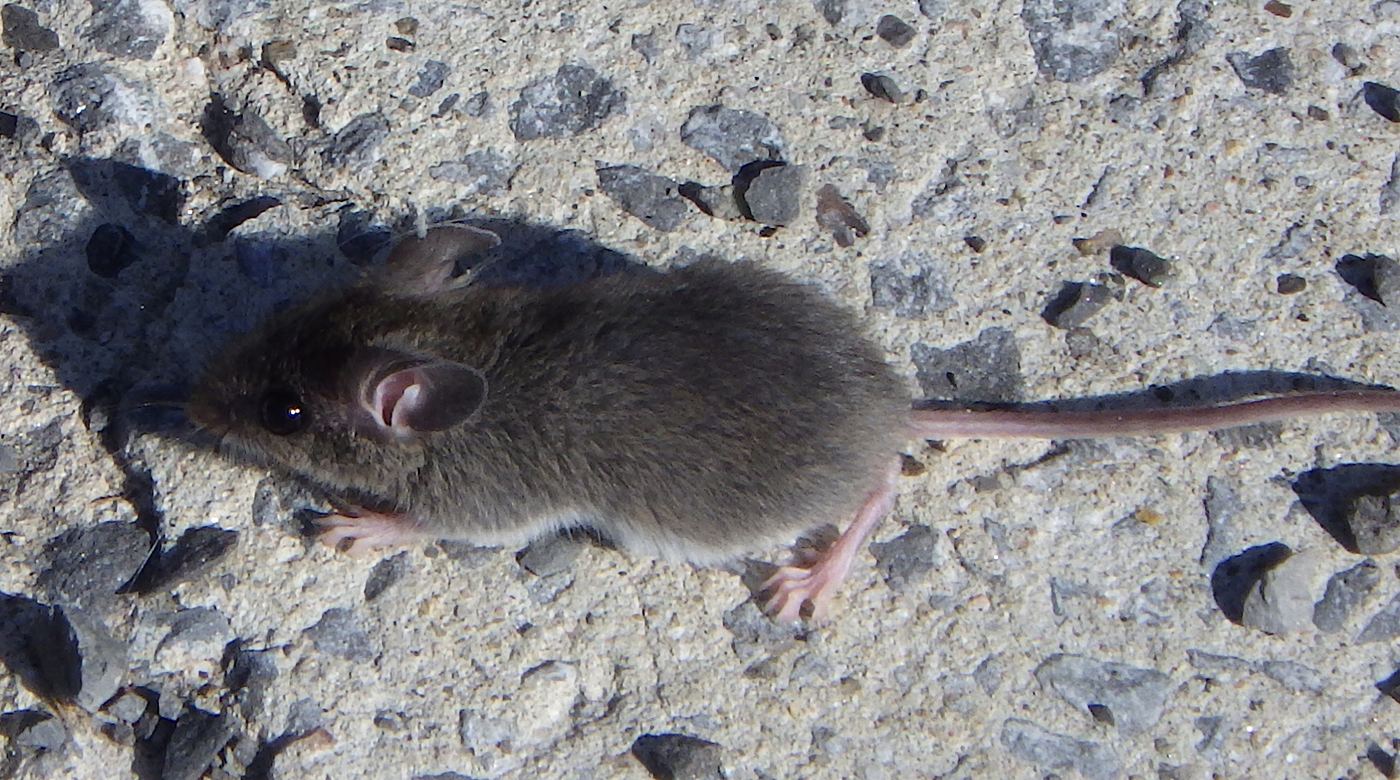
June 3, 2025
How to get rid of rats and mice in Waco
Identify the rodent from its droppings, set plenty of snap traps along the walls where you find signs, seal every gap a quarter inch or larger, then clean up with the CDC wet method. If you hear rats in the attic or find droppings in several rooms, bring in a technician.
Read the article ›Looking for local rules on reporting, rentals, restaurants or licensing? See the Waco rodent guides.
Dealing with rodents now?
Skip the reading and call. A local rodent technician can take a look.