Waco rodent control
Rodent Trapping and Removal in Waco, TX
Traps set on the runs rats and mice actually use, checked on a schedule and pulled once the activity stops.
Tap to call(254) 263-4080- Rats and mice
- Local Waco-area providers
- Same-day often available
What trapping and removal covers
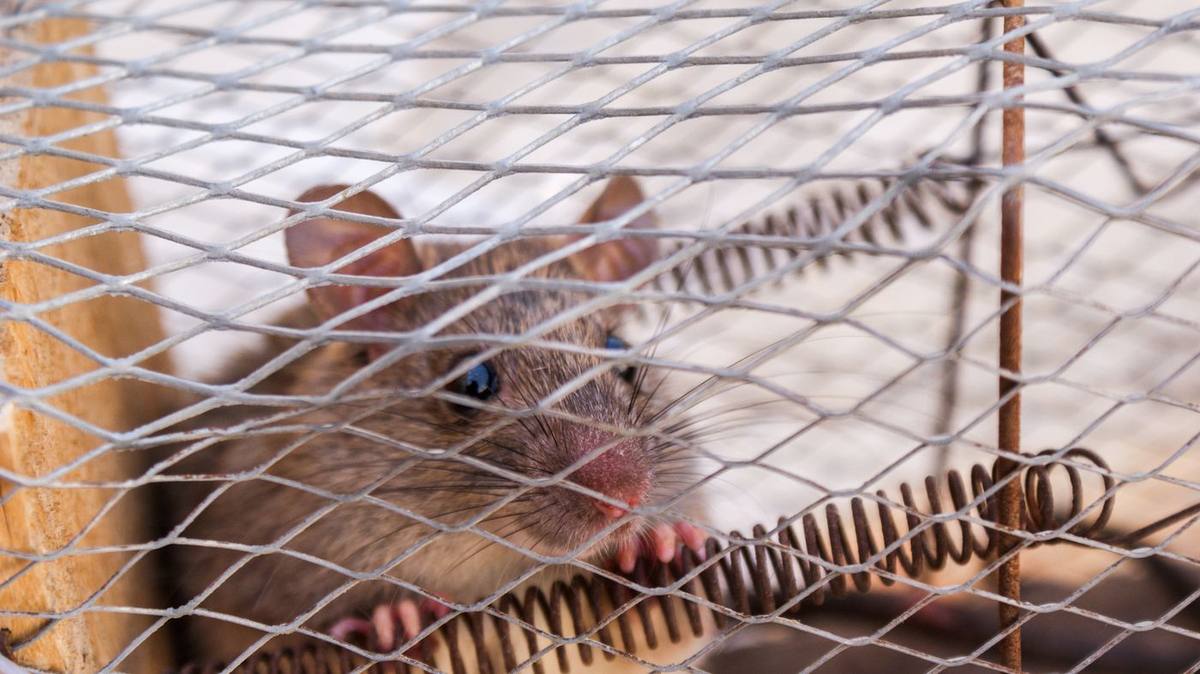
Trapping removes the rats or mice already inside your house. It’s the part of the job most people picture, and it works when traps go where the animals travel. Rodents run the same paths every night, along walls, beams and pipes. A trap in the middle of the floor catches nothing. A trap pushed against a wall on a run marked by droppings and greasy rub marks catches a lot.
In Waco, the trap plan depends on the species. Roof rats live high: attics, the tops of walls and the space above a kitchen soffit. Norway rats stay low: under a pier-and-beam floor, in the garage and along the slab. House mice can be anywhere, often in the kitchen and inside walls.
What a thorough trapping job includes
- An inspection first, so traps go on active runs
- Enough traps for the size of the problem, set in pairs or groups along walls
- Trap types that fit the species: rat-sized snap traps for rats, smaller ones for mice
- Tamper-resistant boxes or locations kids and pets can’t reach
- A written schedule for return visits
- Removal of every catch and every trap at the end
- A plan to seal the gaps, done during or right after trapping
Step by step
- The technician confirms the species and marks active runs during the inspection.
- Traps go out along those runs, in the attic, behind appliances, in the garage or under the house.
- On each return visit the technician removes catches, resets traps and moves the ones that aren’t producing.
- Entry points get sealed once the technician knows which ones the rodents use. Some providers seal on day one; others wait a few days so rodents don’t get trapped inside walls.
- Trapping continues until traps stay empty and fresh droppings stop.
- All traps come out, and the technician points out any cleanup the attic or crawl space needs.
Why trapping is harder in Waco
Waco summers push rodents toward shade and water. The NWS Fort Worth office lists July 4 and August 30 as the average first and last 100-degree days at Waco, based on records back to 1902. During that stretch an attic can get very hot in the afternoon, and rats often move down into wall voids or out to shaded spots around the foundation during the day. Traps that worked in March may need to move in July.
Food is everywhere. Pecan trees drop nuts in fall, backyard gardens and fruit trees are common in the older neighborhoods, and pet food left on patios feeds rats at night. When natural food is plentiful, bait on a trap competes with it, so placement matters more than bait.
Older houses add hiding spots. A 1920s bungalow in Brook Oaks or Sanger Heights may have open wall cavities above the crawl space, so rats move between floors without crossing open ground. The technician has to trap where the runs actually are, which can mean the crawl space as well as the attic.
Trapping you can do yourself
For one or two mice in a garage or kitchen, store-bought snap traps work. Set several on the floor with the baited end against the wall so each trap forms a T with it, the way the CDC describes, and use a small dab of chunky peanut butter. Check them daily and wear gloves to remove a catch. The best traps article covers types and placement.
Call a technician when you hear rats in the attic, find droppings in more than one room, or keep catching mice week after week. Those are signs of an established population and open entry points.
What it costs
National cost guides put a typical rat job in the low to mid hundreds of dollars, with sealing and cleanup on top. Angi lists an average of $393 and HomeAdvisor $395 for rat extermination. The price for your house comes after an inspection. The Waco cost guide breaks down what changes the number.
Need help with trapping and removal in Waco? Talk to a local rodent technician.
(254) 263-4080How it works
How a call turns into a finished job
Call and describe it
Say what you've found and where. Your call goes to an independent local rodent technician who serves your part of the Waco area.
Inspection
The technician checks the attic, walls, garage, crawl space or slab edge and the roofline, then names the rodent and the entry points.
Trapping and sealing
Traps go on the active runs. Gaps get closed with metal, hardware cloth and sealant so new rodents can't follow the same path.
Follow-up and cleanup
Return visits clear the traps until activity stops. Droppings and soiled insulation get cleaned up if the job calls for it.
Trapping and Removal
Rodent Trapping and Removal: common questions
How long does rodent trapping take?
A few mice in a kitchen can be done in a week or two. An established roof rat problem in an attic often takes two to four weeks of trapping with return visits. The job is done when traps stay empty and fresh droppings stop showing up.
Do technicians use poison inside the house?
Good providers avoid loose bait indoors. A poisoned rodent can die inside a wall or the attic, and the smell can last for weeks. Traps inside and locked bait stations outside, if any, is the usual setup. Ask what the plan includes.
Are live traps an option?
The CDC advises against glue traps and live traps, because a scared rodent urinates and that raises the chance of getting sick. Releasing a rat elsewhere in Waco also just moves the problem. Snap traps are the standard for rodents inside a home.
How many traps does a house need?
More than most people expect. Thumbtack's cost page says a small infestation in an average house may need 12 to 15 traps. Setting two traps for a mouse problem lets the population stay ahead of you.
Who checks the traps?
The technician sets a return schedule, often every few days at first. Ask how many return visits are included in the price and what happens if you find a full trap between visits.
Will trapping alone fix it?
No. Trapping removes the rodents inside. New ones keep coming through the same gaps until those gaps are sealed, which is why exclusion belongs in the same plan.
Have a rat or mouse problem right now?
Call and describe what you're seeing. Your call goes to an independent local rodent technician, and same-day appointments are often available.