Mouse droppings are about an eighth to a quarter inch long and pointed at both ends. Rat droppings are half an inch or longer. Cornell's IPM program puts roof rat droppings at about half an inch and Norway rat droppings at three quarters of an inch to an inch.
Dealing with it right now? Skip the reading and talk to a local rodent technician.
(254) 263-4080Why droppings matter
Most people find droppings before they ever see a rat or mouse. That’s useful, because droppings tell you three things: which rodent you have, roughly how many, and where they spend their time.
Getting it right changes the plan. Mice need small traps and attention to small gaps. Rats need bigger traps and sealing of bigger gaps. Roof rats and Norway rats live in different parts of the house.
Mouse droppings
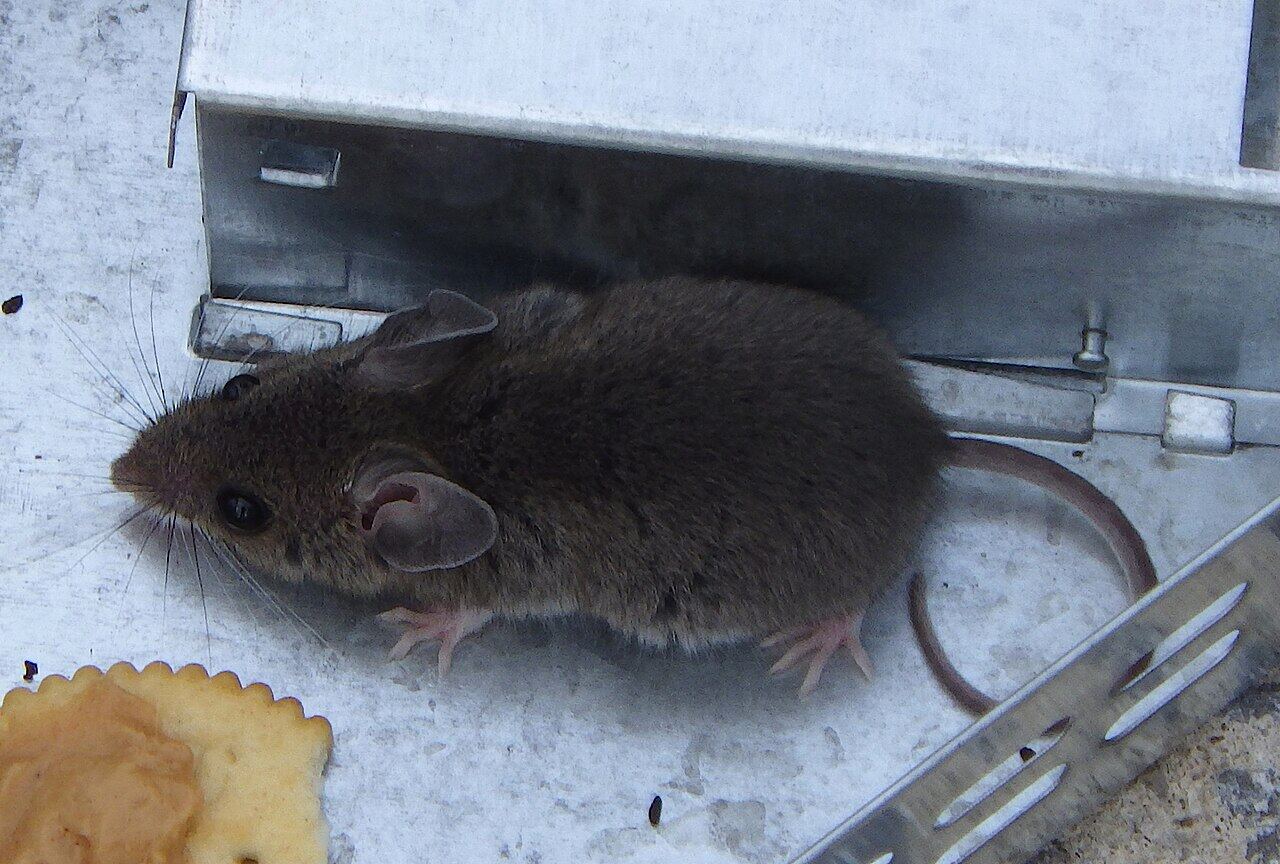
Mouse droppings are small. Cornell’s integrated pest management program and the University of Arizona’s extension service both put them at about an eighth to a quarter inch long. Arizona describes them as pointed at both ends. They’re usually black, though diet changes the color.
You’ll find mouse droppings scattered rather than piled, because mice drop them as they move. Typical spots in a Waco home:
- Kitchen drawers and the back of the silverware drawer
- Under the sink, along the cabinet floor
- Along baseboards and behind the stove or refrigerator
- In the pantry, near opened packages
- On garage shelves and in stored boxes
Rat droppings
Rat droppings are bigger, half an inch or longer. Cornell lists roof rat droppings at about half an inch and Norway rat droppings at three quarters of an inch to an inch. Arizona describes rat droppings as blunt at one end.
Rats tend to leave droppings in clusters along their runways and near food. Where you find them points to which rat you have:
- In the attic, on top of the insulation and along rafters: usually roof rats
- In the garage, crawl space, along the slab outside or under a shed: usually Norway rats
- In the kitchen: either, depending on how they got in
What else to look for
Droppings are one clue. Others:
- Greasy rub marks along walls, beams and pipes where rats travel the same route
- Gnaw marks on food packaging, wood or wiring; rat gnaw marks are larger
- Runways pressed into attic insulation
- Burrows along the slab or fence line, usually Norway rats
- Nests of shredded paper, fabric or insulation
Telling droppings from other pests
Cornell notes that rodent droppings are generally cylindrical with no lines along them, while cockroach droppings have ridges. Very small dark specks with ridges are roaches. Larger, irregular droppings in the attic may come from squirrels, raccoons or opossums, which need a different approach.
How many rodents?
Droppings give a rough sense of scale. A few droppings in one drawer might be one or two mice. Droppings in several rooms, or a lot of rat droppings across the attic, mean an established population. Fresh droppings in more than one spot after you’ve cleaned are the clearest sign that the problem is active and spreading.
Cleaning droppings safely
Rodent droppings and urine can carry disease. The CDC’s hantavirus fact sheet says people get infected mainly by breathing in particles from contaminated urine, droppings and nesting material, which is why sweeping and vacuuming are the wrong tools.
The CDC’s cleanup steps:
- Air the area out for 30 minutes.
- Put on rubber or plastic gloves.
- Spray the droppings with disinfectant or a fresh mix of 1.5 cups of bleach in a gallon of water.
- Wait 5 minutes.
- Wipe up with paper towels and throw them out in a covered trash can.
- Disinfect the surface.
For large areas like an attic or a closed shed, see droppings cleanup and sanitizing.
Clean, then watch
After cleaning, check the same spots in a few days. New droppings on a clean surface mean rodents are still active, and they show you exactly where to put traps. If you see fresh rat droppings in the attic or mouse droppings in more than one room, it’s time for an inspection. Mouse control and roof rats vs Norway rats explain what comes next.
Health questions
If someone in the house gets sick with fever and muscle aches after cleaning up rodent droppings, see a doctor and mention the exposure. The rodent diseases article covers what the CDC and Texas health department say about diseases rodents carry.
Done reading and still finding signs? Get a technician to look at your house.
(254) 263-4080